Megalodon: The Real Facts (Updated 2025)Name: Otodus megalodon (or sometimes Carcharocles megalodon) – “Big Tooth”
Time period: Early Miocene to Pliocene – about 23 million to 3.6 million years ago
Extinction: ~3.6 million years ago (some fringe claims push it to 2.6 Ma, but the scientific consensus is still 3.6 Ma)
Size:
- Most reliable estimates: 15–18 meters (50–60 ft) average for large adults
- Absolute maximum (based on the biggest intact tooth sets): 20–21 meters (65–69 ft) possible for rare mega-individuals
- Weight: 50–100 metric tons depending on length
Comparison (adult male great white ≈ 4–5 m, 2 tons)
→ A 60-foot Megalodon was roughly the length of a standard city bus and weighed as much as 10–12 adult African elephants.Key Evidence We Actually Have
- Teeth (the most common fossil): up to 18.4 cm (7.25 in) slant height – still the largest of any known shark.
- Vertebrae (rare, but several partial spinal columns found).
- Tooth-marked whale bones showing bites 2–3 times wider than a modern great white.
- 2020s discoveries:
– Nearly complete associated tooth sets (Peru, North Carolina, Belgium) that let us reconstruct full jaw dimensions more accurately.
– CT-scanned vertebrae from Belgium (2021) confirming 15–18 m body lengths.
What It Probably Looked Like
- Not just a “giant great white.” Recent studies (2021–2024) show it was more stout and stockier than a great white, with a shorter, broader snout and proportionally larger pectoral fins (more like a beefed-up mako or salmon shark).
- Warm-blooded to some degree (regional endothermy), which allowed it to hunt in colder water and maintain burst speeds.
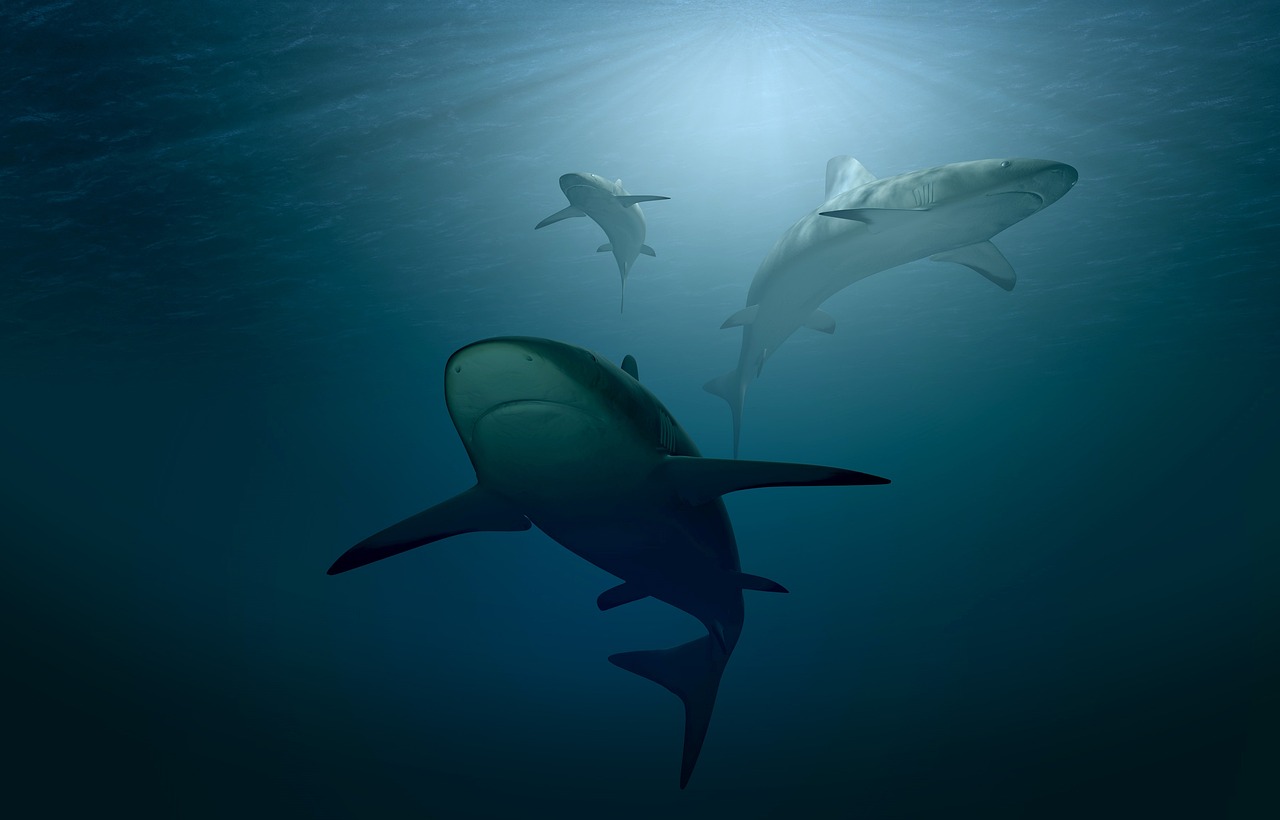
- Color: likely counter-shaded (dark top, white belly) like most large sharks.
Diet & HuntingPrimary prey:
- Medium-sized whales (10–15 m baleen whales, early sperm whales)
- Seals, dolphins, large fish, and occasionally other sharks
Bite marks on whale bones show it used a “bite-and-wait” strategy: massive initial bite to disable, then circle while the whale bled out (exactly like great whites do with seals, just on a whale scale).Why It Went Extinct (~3.6 Ma)
- Cooling oceans (Pliocene climate shift) → whale migration routes changed.
- Great white sharks and orcas evolved and started competing for the same prey.
- Megalodon gave birth in shallow coastal nurseries; falling sea levels reduced these safe zones.
- Its huge size meant it needed thousands of calories a day – when big whale numbers dropped, it couldn’t adapt fast enough.
Is It Still Alive? (Short answer: No)
- No credible sightings, photos, or carcasses.
- Every “megalodon caught” viral video from the last decade has been debunked (hoax CGI, sleeper sharks, whale sharks, or mislabeled great whites).
- A 15–20 m predator that needs to eat 1–2 tons of food a day could not hide in today’s oceans; we track 5-meter great whites with satellites.
Pop Culture vs Reality
- The Meg (2018) and Meg 2 (2023): fun movies, zero science. Real megalodon never lived alongside humans and was gone 3+ million years before Homo sapiens existed.
- 2024–2025: New documentaries (BBC “Megalodon: The New Evidence” and Discovery’s Shark Week specials) have stuck closer to the current science.
Bottom line: Megalodon was the most powerful predator the oceans have ever seen, but it’s been extinct for millions of years. The ocean is still full of giants—just not that one.
About the Author