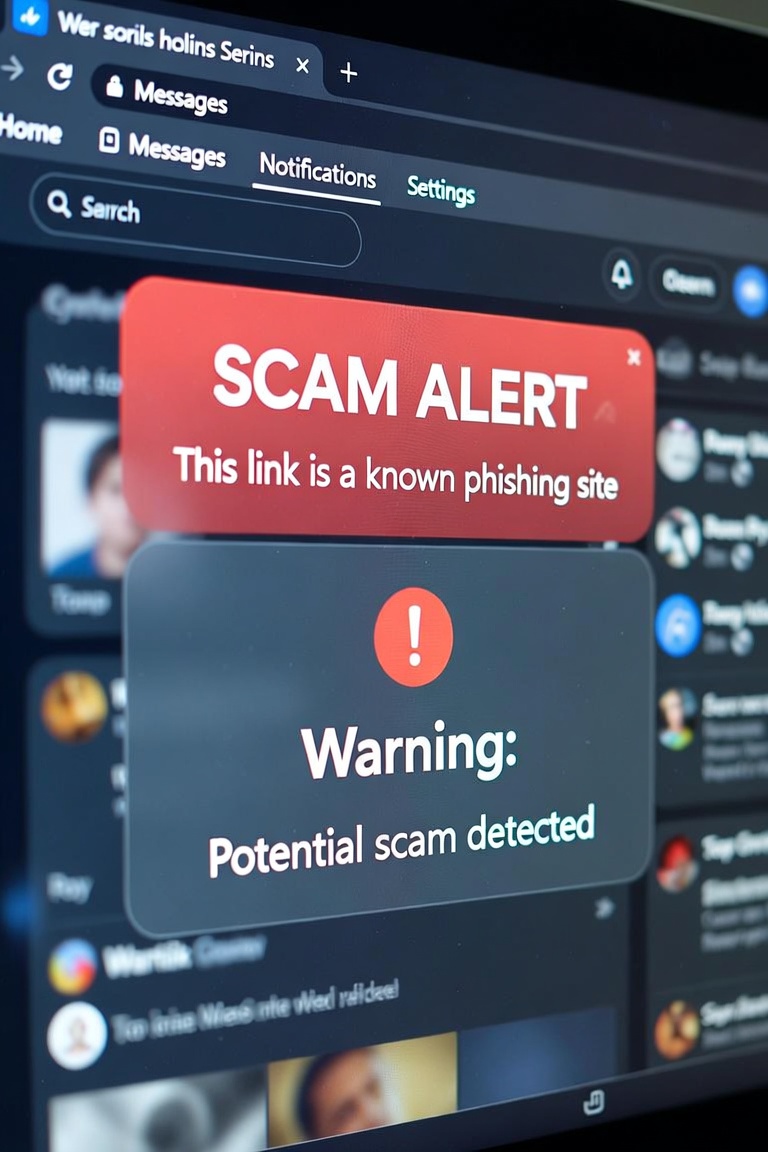
Telephone Scams (Vishing) and How to Prevent Them
Telephone scams, also known as vishing (voice phishing), involve fraudsters using phone calls — often automated (robocalls) or live — to trick you into revealing personal information, sending money, or taking other harmful actions. In 2025–2026, these scams have surged due to AI voice cloning, caller ID spoofing, and robocall technology, making them more convincing and frequent. Americans receive an average of two scam calls per week, with billions lost annually.
Why Telephone Scams Are So Effective
- Scammers spoof legitimate numbers (e.g., your bank or local police) so caller ID looks real.
- AI can clone voices using just seconds of audio from social media or voicemails.
- They create urgency, fear, or excitement to bypass rational thinking.
- Losses from impostor and phishing scams are in the billions, with government impersonation, debt relief, and tech support among the top complaints.
Common Types of Telephone Scams
- Grandparent/Emergency Scams: Caller pretends to be a family member (often with AI-cloned voice) in trouble (e.g., “I’m in jail/car accident, send money now”).
- Government Impostor Scams: Fake calls from IRS, FBI, police, or Social Security claiming you owe taxes, face arrest, or need to verify info.
- Bank/Tech Support Scams: “Your account is compromised” or “Your computer has a virus” — they ask for login details or remote access.
- Debt Relief/Loan Scams: Offers to fix credit, forgive loans, or lower rates — for an upfront fee.
- Prize/Lottery Scams: “You’ve won!” but need to pay fees or provide info.
- One-Ring/809 Scams: You get a missed call from an expensive international number; calling back racks up charges.
- Job/Investment Scams: Fake offers requiring payment or personal details.
- Recovery Scams: Targeting previous victims, promising to recover lost money for a fee.
Prevention Tips: How to Stay Safe
The golden rule: Never give money, personal info, or access based on an unsolicited call. Slow down and verify independently.
For Individuals & Families:
- Don’t Answer Unknown Numbers — Let them go to voicemail. Legitimate callers will leave a message.
- Use a Family Safe Word/Code — Agree on a secret phrase (e.g., something random like “purple elephant”) with loved ones. Ask for it during suspicious calls to verify identity.
- Hang Up and Call Back — If it’s urgent or from a “known” person/company, hang up and call them back using a number you look up yourself (from official website or contact list), not the one provided.
- Be Skeptical of Urgency — Threats of arrest, account closure, or “limited time” are major red flags. Real organizations rarely demand instant action over the phone.
- Protect Your Voice/Data — Limit public voice clips and videos on social media. Make profiles private.
- Enable Call Blocking — Use phone settings, carrier tools (e.g., T-Mobile Scam Shield), or apps like Nomorobo. Register on Do Not Call lists (though scammers ignore them).
- Secure Accounts — Use strong passwords, multi-factor authentication (app-based, not phone calls), and monitor bank statements.
- Never Pay This Way — Scammers push gift cards, wire transfers, crypto, or cash apps — these are hard to reverse.
For Businesses:
- Implement zero-trust callback policies for any financial or sensitive requests: Hang up and verify via official channels or in-person.
- Train staff on phishing simulations and AI voice risks.
- Use multi-approval processes for money movements.
General Best Practices:
- Report scams: In the US, to FTC.gov/complaint or FCC; in the UK, to Action Fraud or Ofcom. This helps track and block numbers.
- Educate family — especially elderly relatives — and share these tips.
- If you suspect a scam, freeze credit, change passwords, and contact your bank immediately.
Key Reminder: Legitimate companies, banks, or government agencies will not pressure you for immediate payment or sensitive info over an unexpected call. When in doubt, hang up and verify through a trusted, independent method. Your caution is the best defense against these evolving threats. Stay informed as AI tactics improve rapidly.
Email Scams and How to Prevent ThemEmail scams, often called phishing, are one of the most common and damaging cyber threats. Scammers send deceptive emails that appear to come from trusted sources (banks, companies, government, colleagues, or friends) to trick you into revealing passwords, financial details, clicking malicious links, or transferring money. In 2025–2026, billions of phishing emails are sent daily, with AI making them more convincing and harder to spot.Why Email Scams Are So Effective
- They exploit trust and urgency.
- AI helps create grammatically perfect, personalized messages.
- Losses from phishing and related scams run into billions annually.
- They often lead to identity theft, malware infection, or large financial transfers.
Common Types of Email ScamsHere are the most prevalent ones:
- General Phishing: Emails pretending to be from banks, Microsoft, Google, Netflix, or delivery services. They claim issues like “account suspended” or “unusual activity” and ask you to click a link or update info.
- Business Email Compromise (BEC): Targets companies or employees. Scammers impersonate CEOs, executives, or vendors to request urgent wire transfers, invoice payments, or sensitive data. This causes massive financial losses.
- Spear Phishing: Highly targeted attacks using personal details about you or your company for credibility.
- Malicious Attachments or Links: Emails with fake invoices, resumes, or documents that install malware when opened. Newer tricks include SVG files or calendar invites (.ics).
- “Hello Pervert” / Sextortion Scams: Blackmail emails claiming they hacked your computer, recorded you on adult sites, and will expose you unless you pay (often in crypto). They may spoof your own email address.
- Fake Job/Recruitment Scams: Offers for high-paying jobs that require “training fees,” personal info, or lead to identity theft.
- Package Delivery or Account Verification Scams: Notifications about deliveries, tolls, or account issues urging immediate action.
- Tech Support or Government Imposter Scams: Claims of virus infections or owed taxes/government refunds.
Prevention Tips: How to Stay SafeThe golden rule: Slow down, verify, and never act on urgency from an email alone.For Individuals:
- Pause Before Acting — Urgent threats or big promises are huge red flags. Take time to think.
- Verify Independently — Don’t click links or reply. Go directly to the official website or call the known number to check.
- Check the Sender — Hover over (don’t click) the email address. Look for subtle mismatches like “support@micr0soft.com” instead of the real one.
- Avoid Attachments & Links — Never open unexpected ones. Type the website address manually instead of clicking.
- Use Security Tools — Keep antivirus/antimalware updated, enable email filters, and use multi-factor authentication (MFA) everywhere (app-based or hardware keys are best).
- Protect Personal Info — Don’t share passwords, financial details, or sensitive data via email.
- Report & Delete — Mark as spam/phishing in your email client. Report to authorities (e.g., FTC in the US) or your IT team.
For Businesses:
- Implement strict verification for financial requests (e.g., phone confirmation on a known number for any wire transfer).
- Train employees regularly with simulated phishing tests.
- Use advanced email security (filters, AI detection) and zero-trust policies.
- Require multi-approval for large transactions.
General Best Practices:
- Enable spam filters and automatic software updates.
- Use strong, unique passwords + MFA.
- Be skeptical of anything “too good to be true” or emotionally manipulative.
- Educate family and colleagues — share these tips.
Key Reminder: Legitimate organizations rarely ask for sensitive info via email or demand instant action. When in doubt, delete or verify through a separate, trusted channel. Staying cautious and informed stops most email scams before they succeed. If you’ve been targeted or fallen victim, change passwords immediately and contact your bank or authorities.
AI Scams and How to Prevent ThemAI scams are frauds that use artificial intelligence tools like generative AI, deepfakes, voice cloning, and automated content to make scams more believable, personalized, and harder to spot. Scammers use these to impersonate people, create fake videos/calls, and run large-scale attacks quickly.Why AI Scams Are IncreasingAI has made scams easier and more effective. Losses from AI-related fraud have grown rapidly, with billions lost globally. A single scammer can now generate realistic voices from just seconds of audio, create deepfake videos, or send thousands of tailored phishing messages.Common Types of AI Scams
- Voice Cloning (Vishing): Scammers clone a family member’s or boss’s voice for urgent calls (e.g., “I’m in trouble, send money now”). They only need a short audio sample from social media or voicemails.
- Deepfake Videos: Fake video calls showing someone you know (or a CEO) asking for money or sensitive information. These have tricked people into transferring large sums.
- AI-Powered Phishing & Smishing: Highly personalized emails, texts, or fake websites that look legitimate. AI fixes grammar and uses your personal details to seem real.
- Romance Scams: AI chatbots or fake profiles build emotional relationships over weeks or months, then ask for money.
- Job Scams: Fake recruiters on LinkedIn or WhatsApp, deepfake interviews, or schemes that steal your identity.
- Investment & Crypto Scams: Deepfake celebrity endorsements, fake platforms, or “pig-butchering” schemes that drain your funds.
- Other Scams: Fake customer service bots, AI-generated explicit images for sextortion, or fraudulent invoices.
Prevention TipsThe best protection is skepticism and verification habits. Technology alone isn’t enough.For Individuals & Families:
- Always Pause & Verify: Never send money or share info based on urgent requests. Hang up and call the person back using a number you already know.
- Use a Family Safe Word: Agree on a secret code word with loved ones. Ask for it during suspicious calls to confirm it’s really them.
- Limit What You Share Online: Set social media to private. Reduce public photos, videos, and voice clips that scammers can use for cloning.
- Check Details Carefully: Look closely at email addresses, phone numbers, and links. Avoid clicking suspicious links or downloading files.
- Secure Your Accounts: Use strong unique passwords, enable multi-factor authentication (app-based is best), and set up banking alerts.
- Trust Your Gut: If it feels too urgent, emotional, or too good to be true, stop and verify independently.
For Businesses:
- Require multiple approvals and out-of-band verification (e.g., phone call on a known number) for money transfers or big changes.
- Train staff regularly with AI scam simulations.
- Use zero-trust rules: Assume any unexpected request could be fake.
General Advice:
- Educate your family and friends about these threats.
- Report suspected scams to authorities (police, FTC, or your local cybercrime unit).
- Stay cautious — AI tools are improving fast, but slowing down and double-checking stops most attacks.
Key Rule: When in doubt, stop, hang up, and verify through a trusted, independent channel. Your caution is the strongest defense against AI scams.
Kevin Wright (online alias Mr UK TikTok Official or variations like mruktiktokofficial) is a UK-based TikTok live streamer and content creator known for dancing on beaches (often with a speaker), singing at karaoke, public interactions, and live streaming. He has built a following through these antics but is highly controversial, with a documented history of fraud and numerous allegations of scams, abuse, and inappropriate behavior.
Confirmed Fraud Conviction (2013): Wright has a serious criminal record from over a decade ago:
- In 2013, he was convicted at Nottingham Crown Court of 10 counts of theft and 2 counts of fraud by false representation.
- He was sentenced to 5 years in prison.
- He stole nearly £1 million in total from children’s cancer charities. This included significant sums from a charity linked to his own son (Bobby Wright Cancer Fighting Fund), where he took around £171,500.
- The money was used for his personal lifestyle rather than charitable purposes.
- BBC investigations (including in 2018) highlighted his continued involvement in cancer-related street collections and advice even after his release, describing him as a convicted fraudster.
This case is well-documented in mainstream UK media (BBC, Sky News, etc.).Recent Allegations and Scams (2024–2026)Wright remains active on TikTok and other platforms, where he has faced heavy criticism and exposés. Common accusations from social media users, TikTok creators, Facebook groups, and petitions include:
- Financial scams/grooming: Allegedly using TikTok lives and interactions to solicit gifts, donations, or money from children and vulnerable adults (sometimes framed as helping the homeless with tents or similar causes). Critics call this “financial grooming.”
- GoFundMe/donation exploitation: Claims of misusing or pocketing donation-style appeals.
- Domestic abuse, stalking, and harassment: Multiple claims that he is wanted or has charges related to abuse of an ex-partner and stalking previous relationships.
- Sexual offenses involving minors: Accusations of sexual assault involving 17-year-old girls and inappropriate interactions (including adding/speaking to children as young as 10 on social media). Some posts claim he films or live streams around kids.
- Other alleged crimes: Stealing his father’s passport (to give to someone else), gun possession (videos of armed police arrests in the Finchley/London area circulate on TikTok), and generally being “on the run” from UK authorities while traveling in Spain (Tenerife and Lanzarote mentioned in warnings).
There are TikTok documentaries and “receipts” videos detailing his life and alleged scams. Change.org petitions call for a full social media ban, citing risks to minors and vulnerable people. Some claim he has over 15 prior “NFA” (No Further Action) incidents on record. Wright’s Response in public statements posted on Instagram and Facebook (around May 2026), Wright denies the recent allegations. He describes himself as the victim of a prolonged online harassment and trolling campaign that has led to false reports, videos, and harm to him and his family. He states he has not been convicted or charged with the serious recent claims and mentions that police interactions abroad (e.g., in Australia) resulted in no further action after review. He portrays his TikTok activity as positive and engaging.
Current Status
- He continues posting and going live on TikTok despite the backlash.
- Videos of alleged recent arrests (including armed police) have circulated.
- He has been reported traveling or living abroad at times while facing UK-related issues.
- His content mixes entertainment (dancing, singing, public antics) with donation appeals.
Important Context: The 2013 charity fraud conviction is factual and confirmed by court records and reputable news outlets. The more recent serious allegations (abuse, sexual offenses, grooming) are primarily from social media exposés, warnings, and user claims. Wright denies them, and not all appear to have resulted in publicized convictions as of the latest available information. Treat unverified social media accusations with caution, but the pattern of controversy is long-standing.If you encounter him online or in person, exercise extreme caution—especially regarding any financial requests or interactions involving minors/vulnerable people. For official information on crimes, check with UK police or court records rather than relying solely on social media.This is a summary based on publicly available reports and social media discussions. Serious allegations should be verified through official channels.
Jack Johnson, known online as “Sobriety Jack” (TikTok handle variations like
@sobrietyjack or similar), is a UK-based TikTok live streamer and content creator. He gained attention for daily live streams where he shares personal stories involving sobriety/recovery, homelessness, benefits struggles, and daily life, while prominently displaying PayPal details to solicit donations from viewers.
Online Presence and Content Style
- He does frequent TikTok lives begging for money/gifts, often framing it around personal hardships (e.g., needing food, housing issues, or recovery support).
- Content includes eating (e.g., chips and curry sauce), rage moments, and interactions with viewers.
- He has appeared on mainstream UK TV, such as This Morning, sharing elements of his story.
- His persona mixes vulnerability (sobriety journey, homelessness mentions, kicked out situations) with controversial or attention-grabbing behavior.
Alleged Frauds and Scams
Jack Johnson has faced significant backlash and accusations of exploiting his audience, primarily from TikTok users, reaction channels, YouTube deep dives, and petitions. Key allegations include:
- Donation Scam / Misuse of Funds: He begs daily on lives for PayPal donations under themes of sobriety support, recovery, or hardship. Critics claim the money is frequently used to purchase alcohol and Class A drugs (hard drugs), which he then allegedly gloats about or shows publicly. This is seen as a direct betrayal of donors who believe they are supporting genuine recovery or someone in need.
- Exploiting Vulnerable People: A Change.org petition (launched April 2025, titled something like “Remove Jack Johnson from TikTok”) accuses him of targeting vulnerable followers (those struggling with addiction, mental health, or finances). Donors risk going into debt supporting him. The petition also claims he mocks mental health issues, disabilities, and genuine sobriety journeys while being verbally abusive or crossing boundaries in lives.
- Fake Charity Claims: There are reports and calls to report him to Action Fraud (UK fraud reporting service) for allegedly claiming to have a registered charity called the “Sobriety Jack Foundation” to solicit more funds.
- Benefit Fraud Allegations: TikTok discussions and videos reference DWP (UK Department for Work and Pensions) investigations or charges related to benefit fraud. Mentions include a potential £38k fraud case, bank accounts being frozen, and court appearances (e.g., references to January hearings). These appear in drama/reaction content rather than widespread mainstream news.
His content and behavior have led to “begtok” style drama, with many viewing him as a serial beggar who uses a sobriety/recovery narrative to generate sympathy and donations while allegedly continuing substance use.
Context and His Side
There is limited public defense or mainstream media coverage confirming convictions for the recent allegations (unlike some other cases). Much of the information comes from TikTok exposés, reaction videos, YouTube deep dives, and user petitions. He portrays himself as someone navigating recovery, homelessness, and benefits challenges.Critics argue his actions undermine real people in recovery and exploit kindness for personal gain (drugs/alcohol).
Summary: Jack Johnson / Sobriety Jack is a polarizing TikTok figure known for live begging streams tied to a sobriety persona. The core allegations center on misusing donor money for substances while soliciting under false or exaggerated pretenses of need and recovery, plus possible benefit fraud issues. A petition exists calling for his removal from the platform due to risks to vulnerable donors.
Caution: Exercise extreme skepticism with any online beggars or “sobriety/recovery” fundraisers on social media. Verify claims independently, avoid sending money to unverified individuals, and report suspected fraud to platforms or authorities (e.g., Action Fraud in the UK or TikTok reporting tools).This is based on publicly available social media discussions, petitions, and reaction content. Official court outcomes for recent claims are not widely detailed in mainstream news sources.
Leanne Feeley, better known online as CLA or Chelsea Lee Art, is a controversial UK TikTok live streamer and self-proclaimed artist. She is a polarizing figure in the UK TikTok “begtok” and drama communities, frequently criticized for her content style, begging tactics, and alleged misconduct.Online Presence and Persona
- Real Name: Leanne Feeley (also referred to as Leanne Martin or Leanne Louise Martin Feeley in some contexts).
- She streams on TikTok under handles like Chelsea Lee Art or variations, presenting herself as a self-taught artist living in the upscale Chelsea/Pimlico area of London.
- In reality, she resides in a council flat in Pimlico and often shares her address publicly so followers can send gifts (perfume, food like potatoes, money, etc.).
- Content includes live streams where she begs for donations/gifts via TikTok gifting or direct PayPal-style requests, complains about finances, and engages in drama with other creators (e.g., interactions or fallout’s involving figures like Elphaba or Kevin Wright/MrUKTikTokOfficial).
- She has been banned from UK TikTok at times but continues on new accounts or international platforms (e.g., Spanish TikTok).
- She has a registered company: Chelsea Lee Art Ltd (incorporated 2024) and successfully trademarked the name “Chelsea Lee Art®”.
Alleged Frauds and Scams
Much of the criticism comes from TikTok reaction/exposé videos, Reddit (e.g., r/UKtiktokbehavingbadly), reviews on sites like Tikleap, and social media discussions. Key allegations include:
- TikTok Begging and Gift Exploitation: She earns substantial income from TikTok gifts and donations (critics claim over £500k across 5 years). While soliciting money and items from followers (often vulnerable people), she allegedly lives off social housing benefits while portraying poverty and a luxurious lifestyle she doesn’t actually have. Followers send gifts to her council flat address.
- Tax-Related Fundraising (HMRC Issues): She has faced a large unpaid tax bill from HMRC (reports mention figures around £74,000 or six figures). She launched a GoFundMe campaign framed as support for her art business/brand (“Help Me Rebuild and Launch My Dream Business”), which many believe is primarily to pay off her tax debt. Critics call this fraudulent solicitation, arguing she wasted earnings on other things and now expects followers to cover her tax liabilities.
- Misrepresentation and False Persona: She claims a posh Chelsea lifestyle/address while actually in council housing. This is seen as deceptive to attract more sympathy and gifts.
- Other Alleged Scams: Claims of running or promoting dubious “food bank” or charity-style activities while allegedly exploiting needy people. Some exposés label her a “con artist” for manipulating viewers into repeated donations.
Criminal and Other Issues
- Arrests and Police Bail: She has been arrested multiple times (at least 3 reported in an 18-month period). Allegations include malicious communications and racially aggravated offenses (e.g., using racial slurs like the N-word online). She has been on police bail for these matters.
- Hate Speech/Rhetoric: When intoxicated or otherwise, she has been accused of making vile comments targeting the LGBTQ+ community, other races, Jewish people, and those with disabilities or in hardship.
- Council Housing Issues: Reports of problems with her council property, including potential repossession or eviction proceedings.
- Benefit-Related Scrutiny: Mentions of DWP (Department for Work and Pensions) investigations or links to benefits while earning significant TikTok income.
Her Perspective
Leanne Feeley presents herself as a proud, self-taught artist building a brand. Her GoFundMe and company filings emphasize legitimate art/business ambitions. She has trademarked her name and continues streaming, often addressing trolls or drama directly in lives. She denies or minimizes many accusations.
Summary and Context
Leanne Feeley / CLA is a long-standing figure in UK TikTok drama circles. Supporters may view her as an entertaining or struggling creator, but a large portion of the community accuses her of systematically exploiting followers through deceptive begging, misusing funds (including for taxes), and engaging in offensive behavior that has led to legal trouble.Note: Many details come from user-generated content, exposés, and community discussions rather than mainstream court reporting. Confirmed elements include her company registration, trademark, GoFundMe campaigns, council housing situation, and arrests related to communications/racial offenses. Allegations of large-scale fraud or exact financial figures should be treated as claims from critics until independently verified.
Caution: Be extremely wary of any online creators who beg for money/gifts while sharing personal addresses or hardship stories. Verify claims independently and avoid sending money to un-vetted individuals. Report suspected fraud or abusive behavior to TikTok, HMRC (for tax issues), or authorities as appropriate.This is a summary based on publicly available social media, reviews, company records, and community discussions as of mid-2026.
Elphaba Orion Doherty is a UK TikTok live streamer and musical theatre enthusiast, best known for singing covers (especially “Defying Gravity” from Wicked), dramatic live streams, and heavy involvement in UK TikTok drama communities. They identify as a transgender woman.
Real Name
- Born Ryan (or variations such as Alfie in some personal references) on February 11, 2004, in Barnstaple, England.
- They now legally use the name Elphaba Orion Doherty.
Online Presence and Content
Elphaba rose to attention through emotional singing performances and chaotic live streams. Their content often mixes music, personal stories, vulnerability claims, and frequent requests for TikTok gifts, donations, and money. They have been involved in public feuds with other creators in the UK “begtok” scene (such as Chelsea Lee Art / CLA).
Alleged Frauds and Scams
Elphaba faces widespread accusations across TikTok reaction videos, community discussions, and petitions. The main claims include:
- Heavy Begging and Donation Exploitation: Regularly soliciting gifts and cash during lives by sharing hardship stories (housing problems, debts, medical needs). Critics claim large amounts have been received with little visible progress on the stated goals.
- Fake or Misused Surgery Funds: Accusations of raising money specifically for gender-affirming surgery while showing no clear signs of proceeding with it, misleading donors and harming the trans community’s image.
- GoFundMe and Promise Scams: Setting up fundraisers for moving, music projects, or other needs, with claims that the money was not used as promised or that updates stopped after funds were collected.
- Faking Issues for Sympathy: Allegations of exaggerating or inventing health crises, mental health emergencies, or other dramatic events to generate attention and donations.
- General Manipulative Behavior: Accusations of lying about relationships, scamming fans, verbal abuse during streams, and overall exploitative conduct toward vulnerable followers.
Multiple Change.org petitions call for their permanent removal from TikTok, citing risks to donors (including young people) and damage to the wider community.Legal Issues
- Arrested in November 2024 at Manchester Piccadilly station, with social media reports linking it to serious allegations (details remain unconfirmed in public mainstream reporting).
- Multiple platform bans, with returns on new accounts.
- Frequent police interactions tied to online drama.
Summary: Elphaba Orion Doherty is a highly divisive figure in UK TikTok. Supporters see them as an entertainer dealing with personal struggles, while critics view them as someone who exploits sympathy and donations through misleading appeals. Many of the serious claims come from user-generated exposés and community discussions rather than fully verified court outcomes.
Caution: Be extremely wary of any TikTok or social media creators who repeatedly beg for money tied to personal hardships. Never send money or gifts to unverified individuals. Report suspected fraud or concerning behavior directly to the platform and authorities if needed.
Markus Emz (commonly known as Emz or MarkusEmz) is a UK TikTok live streamer from Liverpool. She is active in the UK “begtok” drama community, known for chaotic kitchen lives, personal stories, interactions with guests (often controversial), and frequent requests for TikTok gifts and donations.
Background and Online Presence
- She streams regularly (often from 7pm) on accounts like @markusemzofficial, sharing cooking, daily life, drinking, and drama.
- Content style is raw and unfiltered, involving heavy audience interaction, arguments, and emotional appeals.
- She has a personal website (markusemz.co.uk) and presence on Facebook, Instagram, and other platforms.
- Real name: Commonly referenced in community discussions as Sarah Norton (or Sarah Jane Norton / variations). “Markus” appears to be part of her online persona or a combined reference with past partners/content.
Alleged Frauds and Scams
Emz faces significant criticism in TikTok reaction videos, Reddit (e.g., r/UKtiktokbehavingbadly), and drama channels. Main accusations include:
- Benefit Fraud / Universal Credit Issues: Allegedly claiming Universal Credit (UC) while earning substantial income from TikTok gifts and lives. Reports mention an HMRC interview and investigations going back multiple years. Critics claim she continued claiming benefits during periods of high streaming earnings.
- Heavy Begging and Gift Exploitation: Regularly soliciting gifts, hand hearts, and money during lives while portraying financial struggles. She is accused of misusing funds or continuing to beg despite estimated high earnings from the platform. This is seen as exploiting vulnerable followers.
- Tax / HMRC Problems: Linked to unpaid taxes or earnings declarations, similar to other creators in the scene. Some discussions tie her to broader “begtok” tax evasion concerns.
- Dangerous or Manipulative Content: Accusations of bringing risky individuals into her home for views and gifts, creating unsafe or exploitative live situations. Drama involving ex-partners, police calls, and ambulance incidents is common.
- General Drama and Exploitation: Feuds with other creators (e.g., links to CLA / Chelsea Lee Art circles), exaggerating hardships, and using emotional manipulation for engagement and donations.
There are Change.org-style calls and community demands for platform bans due to these behaviors and perceived risks to donors.
Context and Her Side
Emz presents herself as someone living authentically, dealing with personal challenges in Liverpool. Much of the negative information comes from rival creators, reaction channels, and online exposés rather than fully confirmed mainstream court reports. She continues streaming actively despite the controversies.
Summary: Markus Emz / Emz is a divisive Liverpool-based TikTok streamer known for chaotic lives and heavy monetization through gifts. The core allegations revolve around benefit fraud while earning from streaming, tax issues with HMRC, and exploiting audience sympathy for financial gain. As with similar “begtok” figures, the claims are heavily debated in social media communities.
Caution: Be extremely skeptical of any social media creators who repeatedly ask for money or gifts tied to personal hardship stories. Verify any claims independently, avoid sending funds to unverified individuals, and report suspected fraud to platforms (TikTok), HMRC, or the DWP (for benefit issues) if appropriate. Situations in this space evolve quickly based on ongoing drama.
Billionaire Gifter (real name Beejay Benjamin Bradish, also known as BJ Bradish) is a UK TikTok live streamer known for flashy “gifting” content, chaotic lives, tough-guy persona, and heavy involvement in the UK “begtok” drama scene.
Background and Online Persona
- He streams under names like Billionaire Gifter, GiftedBillionaire, or similar variations.
- Content often includes giving away money/gifts (or promising to), boasting about wealth and toughness, kitchen lives, interactions with other creators, and personal stories.
- He claims a background involving prison time as a young man (from around age 15–24 in some of his own accounts) and portrays himself as reformed or living large.
- He has family connections mentioned in older news (e.g., links to figures in Brighton drug-related incidents from years ago, though he was the intended target in one reported case).
Alleged Frauds and Scams
Beejay Bradish / Billionaire Gifter faces heavy criticism in TikTok reaction videos, Reddit communities, and drama channels. The main accusations include:
- Benefit Fraud / DWP Issues: Allegedly claiming Universal Credit or other benefits while earning from TikTok gifting and lives. There are reports and clips of DWP reviews, over-payment letters, and benefits being cut or investigated after bank statement checks revealed streaming income.
- Exploitative Gifting / Begging: He solicits TikTok gifts and donations while presenting as a wealthy “billionaire gifter.” Critics accuse him of misleading viewers — taking more than he gives, exaggerating his wealth, or using the persona to generate income without delivering consistent giveaways. This is seen as exploiting vulnerable followers who send him money.
- Animal Abuse Allegations: Serious claims from community exposés and reaction videos about past animal mistreatment (e.g., dogs), with calls to share evidence of abuse.
- Criminal History and Drama: He has openly discussed past prison time. There are mentions of arrests (including recent ones in community clips, such as altercations), police custody videos, and chaotic behavior leading to others being arrested or drama. Older news links him indirectly to Brighton drug-related violence (as a target, not perpetrator, in a 2015–2016 case).
- General Manipulative Content: Accusations of lying about his lifestyle, using emotional or tough stories for engagement, and involvement in feuds that boost his visibility and gifts.
He continues to stream despite the backlash, sometimes addressing the drama or returning after breaks (including long hair transformations or location changes).
Summary: Beejay Bradish, aka Billionaire Gifter, is a controversial TikTok figure who mixes “generous gifter” content with tough persona and personal hardship stories. The core allegations center on claiming benefits while monetizing his streams, potential misuse of the gifting persona, and past behavioral issues. As with many in this scene, much of the detailed criticism comes from user-generated exposés and rival drama rather than fully public court records for every recent claim.
Caution: Be very skeptical of any TikTok creators promising big giveaways or asking for gifts/money while boasting wealth or hardships. Verify independently, avoid sending funds to unverified individuals, and report suspected benefit fraud to the DWP or platform issues to TikTok. These situations often involve heavy exaggeration for views and income.
Court Assassin, also known as Courts the Icon ,is a UK-based TikTok live streamer active in the “begtok” and drama communities. She is known for dramatic storytelling, opinionated rants, drama call-outs, feuds with other creators, and personal life updates (such as laser eye surgery or daily routines).
Real Name
Her real name is not widely confirmed or publicly documented in mainstream sources. In community discussions and drama videos, she is primarily referred to by her online aliases Court Assassin or Courts the Icon. No verified full legal name (e.g., first and last name) consistently appears in public exposés or reports.
Alleged Frauds and Scams
Unlike some other UK TikTok figures with documented criminal convictions for large-scale fraud, Court Assassin does not have widely reported major court-proven scams such as charity theft or large benefit fraud convictions. The criticisms against her are mostly community-driven:
- Begging and Gift Solicitation: She is accused of frequently requesting TikTok gifts, donations, or support during lives, often tied to personal stories or hardships. Critics view this as part of the broader exploitative “begtok” pattern, targeting vulnerable viewers for financial gain.
- Drama Manipulation and “Waffling”: She faces backlash for stirring or amplifying drama, spreading rumors, and confrontational behavior that boosts engagement and gifts. Reaction videos often call her out for “waffling” (talking excessively or inconsistently) or using emotional tactics.
- Association with Benefit and Monetization Issues: Through collabs and discussions (e.g., with Sobriety Jack), she appears in content around benefit fraud in the scene. While she has called out others, she herself faces general scrutiny for streaming income potentially conflicting with any benefits claims.
- Other Drama: Mentions of police interactions, address-related issues in feuds, social services involvement in some clips, and general chaotic behavior. She has been confronted in lives about her conduct.
She continues streaming actively, often addressing critics directly and engaging in community feuds (with figures like Markus Emz, Mad Hatter, etc.).
Summary: Court Assassin / Courts the Icon is a polarizing drama streamer whose content revolves around personal updates and community conflicts. Allegations mainly focus on monetization through gifts and manipulative drama tactics rather than proven large-scale financial fraud. Much of the negativity comes from rival creators, reaction channels, and online exposés.
Caution: Approach any TikTok creators who solicit repeated gifts or donations with skepticism, especially when tied to personal hardship or drama. Verify independently and avoid sending money to unverified individuals. Report issues to TikTok or authorities (e.g., DWP for benefit concerns) as needed. These drama scenes often involve exaggeration for views and income.
Paranormal Dan is a UK-based TikTok content creator who presents as a psychic medium and ghost hunter. Their content focuses on paranormal stories, ghost encounters, spirit communication, guided meditations, and live investigations. They openly identify as transgender (using pronouns like they/them or she/her in bio flags) and have a prominent “payment link below” in their profile for donations.
Real Name
The creator operates under the online persona Paranormal Dan. A limited company called Paranormal Dan Ltd was registered in the UK (Dudley/Tipton area, West Midlands), with activities listed as video production. This company was dissolved in March 2025. Full legal personal name details are not widely publicized in mainstream sources or exposés, and community discussions primarily use the online alias.
Alleged Frauds and Scams
Paranormal Dan faces criticism typical of TikTok psychic/medium and “begtok” creators. Specific major convictions (like large-scale charity fraud) are not documented, but the main allegations include:
- Donation and Payment Link Exploitation: The profile prominently features a payment link and solicits support during lives and videos. Critics accuse them of using paranormal/psychic claims to generate ongoing donations from vulnerable followers seeking spiritual guidance or comfort, without delivering verifiable results.
- “Liar” and Fake Psychic Allegations: Exposé-style videos (e.g., reaction and drama channels) label them a liar, claiming inconsistent stories, exaggerated or fabricated paranormal experiences, and typical psychic cold-reading tactics. One video directly titles content as “@Paranormal Dan EXPOSED #liar” and groups them with other “scamming for money” mediums.
- Misleading Vulnerable People: Accusations of targeting people in grief or emotional distress with mediumship services or content, which skeptics view as exploitative rather than genuine paranormal work.
They remain active on TikTok with ghost hunting and psychic content despite the backlash.
Summary: Paranormal Dan is a divisive TikTok psychic medium known for paranormal storytelling and monetized content via donations. Criticisms center on alleged deception in psychic abilities and financial solicitation from followers, common in the psychic TikTok space. Much of the negativity comes from community exposés and skeptic reaction videos rather than official court records.
Caution: Be highly skeptical of online psychics, mediums, or ghost hunters who solicit payments or donations, especially on social media. Genuine paranormal investigators rarely rely on repeated fan funding for “readings.” Verify any claims independently, avoid sending money for spiritual services, and report suspected misleading practices to the platform. As with other niche TikTok creators, content is often dramatized for engagement.
John Shields is a Scottish TikTok live streamer known in the UK “begtok” and drama communities, particularly on Scottish TikTok. He is involved in chaotic live-streams, feuds with other creators, public call-ins, and confrontational content.
Online Presence
He streams dramatic personal stories, interactions, and drama-related content. He has been linked to living in unconventional situations (e.g., a tent in some older clips) and has appeared in feuds or phone-ins that stir controversy in the Scottish TikTok scene.
Alleged Frauds and Scams
Specific large-scale financial fraud convictions (like charity theft) are not widely documented in mainstream reports. Criticisms in the community focus on:
- Begging / Monetization: Like many in the begtok scene, he is accused of soliciting gifts, donations, or support during lives while portraying hardships.
- General Exploitation: Community reaction videos and exposés label him as part of the “degenerate” or exploitative side of Scottish TikTok drama, with claims of manipulative behavior for views and income.
Serious Allegations and Legal Issues
John Shields faces significant public accusations, primarily from an incident at Edinburgh Park train station (around August 18, 2025):
- He is accused of approaching a vulnerable man (under the influence) during a live-stream and subjecting him to indecent comments, inappropriate touching, dragging him by the head, placing the victim’s head against his genitals, and choking him until unconscious.
- British Transport Police investigated the “indecent communication” and assault, appealing for witnesses.
- He has been the subject of public awareness posts, abuser registries on community sites, and calls for police action. Some videos mention police searches (e.g., of a tent for weapons) and him being “on the hunt” by authorities.
- There are references to abuse allegations (including sexual), past incidents, and ongoing investigations. He has addressed some claims in live-streams and spoken about appeals or legal matters.
He continues to appear in Scottish TikTok content, sometimes engaging with media or other creators.
Summary: John Shields is a highly controversial Scottish TikTok figure embroiled in drama, with the most prominent issues revolving around serious indecent assault and sexual abuse allegations from a public livestream incident. Financial scam claims are secondary and typical of the begtok community (donation exploitation), but the assault-related accusations dominate discussions. Much of the information comes from TikTok exposés, reaction videos, and community reports rather than finalized court convictions in all cases.
Important Note: Allegations are under investigation or ongoing. He is entitled to due process and presumed innocent until proven guilty in a court of law. For official details, refer to police reports or court records.
Caution: Exercise extreme care with any TikTok creators involved in heavy drama or who solicit money/gifts. Avoid sending funds, and report concerning behavior (harassment, exploitation, or abuse) to TikTok and authorities (e.g., Police Scotland or British Transport Police). These situations evolve quickly based on community drama.
The “Tesla Scam” usually refers to a very common and ongoing set of social media and online impersonation scams that use Tesla’s name, Elon Musk’s image, or fake Tesla giveaways to trick people. These have been rampant since at least 2023–2024 and remain very active in 2025–2026.
Most Common Type: Fake Elon Musk / Tesla Giveaway Scam
This is the one most people mean when they say “the Tesla scam.”
How it works:
- You receive a private message (usually on Facebook, Instagram, WhatsApp, or Telegram) from an account pretending to be Elon Musk or a Tesla official.
- They claim you’ve been “randomly selected” to win a brand-new Tesla (often a Cybertruck or Model Y) plus a large cash prize (e.g., $50,000–$250,000).
- Sometimes they send a short video of “Elon” congratulating you.
- They ask for minimal info at first, then request payment for “delivery fees,” “taxes,” “insurance,” or “shipping” — typically paid in Apple gift cards, Bitcoin, wire transfers, or cash apps.
- Once you pay, they disappear or ask for more money.
Real-world impact:
- Victims have lost hundreds to tens of thousands of dollars.
- Scammers create hundreds of fake “Elon Musk” accounts daily.
- Variations include fake Tesla job offers, investment schemes (e.g., “TeslaCoin”), or fake stock giveaways.
Other Tesla-Related Scams
- Fake Tesla websites / crypto scams — Sites like “Webelon” impersonate Tesla and promote fraudulent crypto investments.
- Phishing emails — Fake Tesla invoices or service emails that steal login details or payment info.
- Job recruitment scams — Fake Tesla hiring offers that ask for upfront fees or personal data.
- Stock / investment fraud — Promises of huge returns on Tesla shares or related crypto.
Why These Scams Work So Well
- Tesla and Elon Musk have massive public interest.
- Scammers exploit excitement and urgency (“Claim your prize before it expires!”).
- AI tools make fake videos and messages more convincing.
How to Prevent and Spot These Scams
- Tesla and Elon Musk do NOT contact people randomly via social media to give away cars or money. Real promotions are never handled this way.
- Never pay “fees” to receive a prize.
- Never send gift cards, crypto, or money to someone you don’t know.
- Check official channels: Tesla only communicates through verified accounts (@Tesla, @elonmusk) or your Tesla app/account.
- Hover over or verify profile links and email addresses — look for slight misspellings (e.g., “el0nmusk” instead of “elonmusk”).
- Report fake accounts immediately on the platform and to authorities (FTC.gov in the US, Action Fraud in the UK, etc.).
- If it sounds too good to be true, it is.
Bottom line: There is no legitimate “Tesla giveaway” happening through random DMs. These scams prey on hope and excitement — always verify independently through official Tesla channels.
BeaLunaful (also known as @bealunaful on TikTok, real name Annette, often associated with pets Luna the conure/parrot and Beatrix/Bea the dog) is a UK-based content creator with around 186K followers. Her content mixes personal life vlogs, pet videos (e.g., parrot adventures, puppy moments), disability awareness (claiming conditions like ME/CFS, PCOS, and mobility issues requiring wheelchair/PIP/UC support), travel, Disney trips, lives, and clapbacks to critics.
She presents as housebound or severely limited by chronic illnesses but frequently shares outings, concerts, international travel (e.g., Disney, Eurostar first-class), and energetic activities, which fuels much of the backlash.
Main Accusations of Scams, Fraud, and Grifting
Unlike large-scale financial fraud, the criticisms center on perceived benefit fraud/grifting, exaggeration of disabilities, sympathy-begging, and manipulative content for monetization. This comes from Reddit communities (e.g., r/UKtiktokbehavingbadly), dedicated call-out TikTok accounts (e.g., @bluffingfabricationfraud, @cutting_edge_creations), and viewer comments.
Key claims from critics:
- Disability/ benefits inconsistencies: Claims severe limitations (“housebound,” needs 24hr care, uses wheelchair) while posting solo trips, concerts, global travel, and high-energy lives. Critics accuse her of exaggerating or faking symptoms to claim PIP (Personal Independence Payment) and Universal Credit while living an active lifestyle.
- Sympathy farming and manipulation: Starts or amplifies drama (e.g., threats of police involvement against “The Constance” group, bus entitlement stories) then pivots to lives begging for gifts, “popular” rankings, or trip funds. Accused of gaslighting critics, blocking dissenters, and using narcissistic tactics to extract money/attention from vulnerable followers.
- Pet/content inconsistencies: Videos like leaving a pet in a cot while going out (portrayed as recovery/high from outing) are mocked as contradictory to her claimed frailty. Dedicated accounts highlight “bluffing, fabrication & fraud” around pet care and personal stories.
- Monetization: TikTok lives/gifts, agency competitions (e.g., top gifters winning trips), Disney fundraiser appeals, and general “begging” while on benefits. One review site notes perceptions of “narcissism, gaslighting and manipulation” for sympathy.
She has public feuds, clapback videos, and responds aggressively to “haters” or “trolls,” often framing criticism as bullying while dishing out strong language herself.
Context and Defense
This fits a broader pattern of UK TikTok drama around “benefit scroungers” or perceived grifters in the disability content niche. Supporters see her as a resilient disabled creator sharing real struggles with pets and life. Detractors view the whole persona as fraudulent performance art for clout and cash.
No mainstream news reports of criminal charges or large-scale scams (e.g., no investment fraud or product scams tied to her). It’s mostly niche community call-outs and Reddit snark as of 2026.
Her content remains active with pet clips, replies, and lives performing decently in views. If you’re seeing her videos, the “fraud” label largely stems from perceived mismatches between her claimed disabilities and lifestyle/actions—classic internet drama rather than proven legal wrongdoing. View with skepticism on both sides, as these disputes are often one-sided exposés.
Carol McGee (also spelled Carol Mcgee) is a Scottish psychic medium from Erskine, near Glasgow, who markets herself as one of the UK’s top psychic mediums. She runs live mediumship shows, private readings, development courses on becoming a medium, and a podcast. She has a significant online presence on TikTok, Facebook, and her website (carolmcgeepsychic.com), and operates through companies like JC MEDIA & EVENTS LTD.
Background and Public Profile
McGee presents herself as an evidence-based, high-energy medium who connects people with messages from the deceased. She has appeared in interviews, podcasts (including one featuring her late daughter Holly discussing her battle with a brain tumor and stage 4 cancer), and live events across the UK. Her business focuses on spiritual events and media.
Allegations of Fraud and Scams
There are no publicly reported criminal convictions or charges against her for fraud or scams from reputable news sources or court records. However, she has faced significant public accusations, mainly amplified on social media (especially TikTok and Facebook groups) since around 2025–2026. These come primarily from family members:
- Daughter’s accusations: Her daughter, Denise Rennie (active on TikTok as @denrenxx or similar), has publicly claimed McGee is a fraud and has accused her of emotional abuse related to a dying family member (described in posts as a sister or in family contexts). Denise and others have warned people against attending McGee’s events or buying tickets, suggesting refunds, and claimed her mediumship courses teach people how to “rip off” vulnerable/grieving individuals.
- Burial dispute: A May 2026 article in The Sunday Post reported that McGee allegedly ignored her own daughter’s dying wish not to be buried and took legal action that delayed funeral arrangements. This story gained attention because it contrasted with her public persona as someone who receives “messages from heaven.”
- General skepticism and warnings: Online discussions (TikTok, Reddit, Facebook) question the authenticity of her readings and criticize her for profiting from courses that allegedly enable others to scam people. Some viewers and attendees have shared negative reviews or called her performances into question. There are also frequent warnings about fake accounts impersonating her that ask for money—McGee herself has posted about these scams.
McGee’s Response
McGee has denied the allegations. In a Facebook post, she stated she has “NEVER been charged with any fraud or crime” in her life and referenced an old (unsubstantiated in recent reports) story from about 10 years ago that police made someone take down. She positions herself as genuine and continues her work, while warning followers about impersonators scamming in her name.
Context and Assessment
- The accusations appear largely rooted in family disputes (especially around the death of her daughter Holly) and social media amplification rather than independent investigations or legal findings of professional fraud.
- Psychic mediumship is inherently controversial and unregulated in the UK, so “fraud” claims often stem from skepticism about the practice itself or specific personal grievances rather than provable criminal activity (e.g., false advertising leading to charges).
- No mainstream outlets have reported arrests, prosecutions, or regulatory actions against her for scams.
Bottom line: Carol McGee is a well-known figure in the UK spiritual/psychic scene who has built a business around mediumship events and teaching. She faces serious public allegations from family (particularly daughter Denise) of being a fraud who exploits vulnerable people, plus a reported family conflict over burial wishes. These remain allegations without confirmed criminal convictions. Many of her supporters view her work positively, while critics advise caution with her events and courses.
If you’re considering attending an event or course, research recent attendee reviews independently and be wary of any unsolicited payment requests (which she has warned about regarding fakes). For the most current info, check recent social media discussions or local news.
Denboy (TikTok handles like @miltonend, @denboy1960, and variants) is a British paranormal investigator and content creator who gained popularity for live streams involving ghost hunting, haunted locations, possession claims, and supernatural encounters.
Background and Content
- He positions himself as a no-drama, straightforward paranormal explorer, often doing live investigations, true crime discussions, and interactive sessions.
- His videos feature claims of spirits, possessions, creepy encounters (e.g., “Seven Nuns,” Bloody Mary challenges), and abandoned place explorations.
- He has a dedicated following in the paranormal TikTok community but also attracts significant criticism.
Allegations of Frauds and Scams
Denboy faces widespread accusations on TikTok of faking his paranormal content:
- Critics (notably the account @7nuns_andamonk) have posted multiple videos labeling his experiences as staged, scripted, or fabricated for views and engagement. This includes alleged fake possessions, manipulated situations, and inconsistent stories.
- Common claims include using editing tricks, actors, or props to simulate hauntings, and accusations of being a “paranormal faker” or troll who stirs drama for attention.
- Some viewers accuse him of scamming followers through monetized lives, paid promotions, or building a false persona around supernatural abilities/experiences.
- He has been involved in online feuds, including with other creators, which critics say further highlights attention-seeking behavior.
No major mainstream news reports, criminal charges, or formal fraud convictions appear tied to him. The controversy is largely contained to TikTok drama, awareness accounts, and community debunking videos.
Denboy’s Side
He continues posting and streaming, maintaining that his experiences are genuine. Supporters defend him as authentic entertainment in the paranormal niche, while he and his community often dismiss critics as haters or rivals.
Bottom line: Denboy is a polarizing TikTok paranormal personality whose content divides audiences — entertaining for some, obviously fake/staged for others. The “fraud and scam” labels stem primarily from perceived faked videos rather than proven financial crimes or large-scale cons. As with most paranormal creators, approach with heavy skepticism; the field is unregulated and full of entertainment-driven content.
Rachel Skinner (also known as Welsh Rachel, Rachel Eira, associated with Holy Cow Customs / Rachel’s Cups / Rachelscupcustoms) is a TikTok personality from Wales (Monmouthshire area) known for selling custom glitter/epoxy cups and other handmade items through lives and online shops.
She has become a frequent subject of local and TikTok drama, with multiple awareness accounts (e.g., @dwpvol4, @rachelskinnerawareness) and community posts calling her out.
Main Allegations of Frauds and Scams
Local residents and online critics accuse her of several issues, primarily from late 2025 onward:
- Fake charity/fundraising scams: Repeated claims that she solicits donations or TikTok “gifts” (money) for causes like Women’s Aid (#womensaid) or flood relief but does not fully donate the money. Critics say she asks for direct bank transfers instead of official links and only donates small amounts (e.g., £200) when pressured and exposed. Local Facebook groups have warned neighbors about her repeatedly.
- Business/customer complaints: Accusations of poor-quality products (cups with air bubbles, glitter issues, improper degassing), failure to deliver orders, rude behavior in lives, and blocking customers who complain. Trustpilot and Reddit threads mention bad experiences, though some defend her as being trolled.
- General “con artist” / begging / lying reputation: Broader claims of pathological lying, begging while allegedly earning money, changing names/accounts to evade criticism, and other drama (disabilities claims, personal relationships, etc.). Multiple deep-dive videos and awareness pages document her history.
Context
These are public allegations and community call-outs, not formal criminal convictions. Much of the controversy plays out on TikTok lives, awareness accounts, and local groups. Supporters argue she is a small business owner being harassed by trolls; detractors say the evidence (screenshots, videos, donation patterns) shows a pattern of misleading behavior.
No major mainstream news articles appear to cover her — it remains largely a TikTok/local Welsh drama.
Bottom line: Rachel Skinner is a polarizing TikTok seller whose custom cup business has been overshadowed by repeated accusations of misusing charity appeals for personal gain and poor customer practices. Approach any direct money requests with extreme caution, and check recent independent reviews if considering buying from her. The situation is ongoing and highly contentious in her online circles.
Lisa Richards (often called Lisa Richard online) is one of the most well-known and heavily criticized figures in TikTok’s “BegTok” (e-begging) community. She has been active for roughly 5+ years (as of 2026) and is widely labeled a serial scammer by awareness accounts, YouTubers, Reddit communities, and former supporters.
Who She Is
- A woman from the US who goes live frequently on TikTok.
- She presents herself as someone facing constant crises (homelessness, family emergencies, pet issues, health problems, etc.).
- She has a history of addiction (widely reported as drug-related, especially meth/crack based on community documentation).
Main Allegations of Scams and Fraud
The accusations against her are extensive and repetitive:
- Fabricated sob stories for donations: Claims her father died (multiple times), son has cancer, needs money for eviction, food, pet retrieval from the pound, cigarettes, etc. Many of these have been debunked by screenshots, follow-up videos, or her own contradictory statements.
- Spending donated money on drugs: Viewers and awareness pages claim that money sent via Cash App, Venmo, PayPal, etc., is quickly used for drugs rather than the stated purpose. She has allegedly admitted or been caught in ways that support this.
- Aggressive and abusive behavior: Screams at, insults, and blocks people who question her or don’t donate (“fat pigs,” “stupid bitches,” etc.). She weaponizes guilt and parasocial relationships.
- Family involvement and drama: Accusations involving her mother, sister (@TotalMessJess), and others in enabling or participating in scams. Multiple custody losses and family conflicts are documented in drama videos.
- Repeated bans and returns: She has been banned from TikTok multiple times but returns under new or similar accounts, continuing the cycle.
Community Response
- Petitions: Multiple Change.org and iPetitions campaigns to ban her from TikTok, with thousands of signatures citing years of alleged abuse of the platform.
- Awareness content: Dozens of dedicated accounts, YouTube deep-dives (e.g., hour-long exposés), Reddit threads (r/LisaRichardScams, r/tiktokgossip), and compilations track her lives and lies.
- She is often called one of the “biggest lolcows” or most unapologetic scammers in BegTok history.
Current Status (as of late June 2026)
She remains active or periodically returns to lives despite the backlash. The drama is ongoing, with fresh awareness videos appearing regularly. TikTok has suspended her accounts before but enforcement is inconsistent.
Important disclaimer: These are widespread public allegations and community-documented patterns, not necessarily criminal convictions (though many call for legal action). As with all online drama, viewers should cross-check sources.
Bottom line: Lisa Richards is viewed by a large portion of the TikTok community as a textbook example of manipulative e-begging — using emotional stories, aggression, and repetition to extract money, primarily to support an addiction. Most awareness creators strongly advise against sending her any money and recommend reporting/blocking her lives.
Stay safe and never send money to strangers on live streams.
Adrielle Sigler (also known as Vegan Rizz, VeganRizz, or similar handles) is a TikTok influencer and single mom from the Jamestown, New York area (previously Pennsylvania connections) who rose to prominence with content about vegan lifestyle, single motherhood, family struggles, and daily vlogs.
She has faced extensive public accusations of scamming, primarily in the BegTok/e-begging community, with multiple awareness pages, Reddit threads (e.g., r/tiktokgossip), YouTube documentaries, and Change.org petitions calling her out.
Main Allegations
- GoFundMe and donation scams: Repeated fundraising campaigns for alleged emergencies (e.g., family safety/move after her son was reportedly “jumped,” evictions, or other crises). Critics claim she exaggerates or fabricates stories while spending large sums on non-essentials (e.g., reports of spending $17,000 in one month on shopping/luxuries while soliciting donations). Specific claims include buying new iPhones with GoFundMe money.
- Inconsistent narratives and manipulation: Accusations of lying about family situations, stalking incidents (e.g., police/cops following her), and other dramatic events for sympathy and gifts. Multiple exposés highlight contradictions in her stories.
- Family and child-related issues: Heavy criticism involving her children (CPS involvement alleged in some reports), public doxxing of teens, and other family drama. Some claims touch on her son’s alleged behavior and her responses.
- Other behaviors: Offensive language (racial slurs, etc., per screenshots/text leaks), harassment of other creators, false reports, and abusive live streams. Petitions cite racism, child-related concerns, wire fraud allegations, and platform abuse.
Current Status (as of 2026)
Her main accounts (e.g., @veganrizz) have been suspended or banned multiple times, but she continues creating new ones and posting on platforms like Facebook, Twitch, Amazon Live, and others. She denies the accusations, frames herself as a victim of haters/trolls, and has addressed some claims in lives or updates.
Documentaries and compilations (e.g., “The END Of TikTok’s Degenerate Scammer”) summarize years of drama, portraying her as a chaotic “lolcow” figure who manipulates followers.
Important notes: These are widespread community allegations and documented patterns, not necessarily proven criminal convictions in all cases. Much of the evidence comes from screenshots, leaked messages, spending trackers, and her own content. TikTok and GoFundMe have taken some actions (bans, reviews), but enforcement varies.
Bottom line: Adrielle Sigler / Vegan Rizz is one of the more notorious figures in TikTok drama circles, known for high-volume emotional fundraising that many view as exploitative. Awareness creators and communities strongly advise against donating directly to her campaigns. The situation remains ongoing with new accounts and content appearing regularly.
Always verify independently and avoid sending money to online strangers.
Emerald Rose Ackley (online handle TicsandRoses / ticsandroses) is a former TikTok creator who became one of the most infamous cases of faking Tourette’s syndrome for clout and financial gain.
Background
- She rose to popularity around 2020–2021 by posting videos claiming she had suffered from Tourette’s syndrome since childhood (age 6 or 7).
- Her content mixed “tic” videos (dramatic vocal and motor tics), Tourette’s awareness, and promotion of her small business selling hand-dyed yarn and pagan/witchy crafts.
- At her peak, she had hundreds of thousands of followers and millions of views, positioning herself as an advocate and inspiration for people with the disorder.
The Scam / Fraud Allegations
Emerald was widely exposed as faking her tics:
- Inconsistent tics — Her movements and vocalizations often looked forced or performative. In some videos (especially unedited or “off-camera” moments), she showed no tics at all.
- Fake medical proof — She shared a supposed doctor’s diagnosis letter, but the clinic logo was fake/manipulated, and other details didn’t check out.
- Business motive — Many believe she faked the disorder primarily to grow her audience and sell more yarn/merchandise. She also allegedly accepted donations and sympathy gifts.
- Behavioral evidence — Videos showed her stopping mid-sentence to restart recordings when tics supposedly interrupted her, or exhibiting tics only when on camera.
The exposure was brutal and rapid. Reddit communities (especially r/ticsandroses), other TikTokers, and YouTubers compiled extensive evidence. A petition to ban her gained significant traction. Her main TikTok account was eventually deleted or banned.
Aftermath (as of 2026)
- Her reputation was largely destroyed. Multiple YouTube documentaries (from 2022–2025) cover her “rise and fall,” calling it one of the most satisfying downfalls in TikTok drama.
- She faced severe backlash, including family estrangement in some reports, and largely disappeared from major platforms.
- Occasional new accounts or updates surface, but she is mostly remembered as a cautionary tale about illness faking (“Munchausen by Internet” or malingering for clout).
Bottom line: Emerald Rose / TicsandRoses is a textbook example of a TikTok creator accused of faking a serious neurological disorder (Tourette’s) to build a following, promote a business, and gain sympathy/money. The case damaged trust in genuine disability content creators and remains one of the most documented “faking for clout” scandals on the platform.
This is based on widespread community documentation and exposés. She has not been criminally charged (it’s not illegal to fake tics on social media), but the social and reputational consequences were severe.
Madison Russo (also known as Maddie Russo) is a woman from Bettendorf, Iowa, who became infamous in 2022–2023 for one of the more high-profile TikTok cancer scams.
The Scam
While she was an 18–19-year-old college freshman at St. Ambrose University, Russo created TikTok videos and social media posts claiming she had been diagnosed with:
- Acute lymphoblastic leukemia
- Stage 2 pancreatic cancer
- A “football-sized tumor” wrapped around her spine (with only an 11% survival chance)
She documented her supposed “battle” with wigs, medical props (IV pole, feeding pump, chest port, nasal/gastrostomy tubes), doctored photos (some stolen from actual cancer patients), and public appearances. She spoke at events for cancer foundations and universities as a “survivor/inspiration.”
This led to her raising over $37,000–$39,000+ from:
- GoFundMe
- Direct donations
- Local businesses, schools, colleges
- Cancer charities (e.g., National Pancreatic Cancer Foundation, Project Purple)
How She Was Caught
Medical professionals and viewers noticed glaring errors in her videos:
- Feeding tube placed incorrectly (“too far up her nose”)
- Medical equipment used wrongly (e.g., cotton swabs in the feeding pump instead of nutrition)
- No realistic side effects or treatment records
Police received tips, obtained medical subpoenas, and confirmed she had never been diagnosed or treated for any cancer at local facilities. A search of her home found props used in the ruse.
Legal Outcome (2023)
- Charged with first-degree theft (felony).
- Pleaded guilty in June 2023.
- Sentenced in October 2023 to:
- 10-year suspended prison sentence
- 3 years probation
- Full restitution of ~$39,000+ to victims/donors
- $1,370+ fine
- 100 hours community service
She avoided actual jail time. GoFundMe refunded all donors and banned her. Many victims expressed feeling “betrayed,” especially cancer patients and families.
Motive (According to Russo)
In court, she claimed it was an attempt to get attention from her fractured family and bring them together.
As of 2026, there are no major public updates on new incidents. She largely disappeared from the spotlight after sentencing, and her probation period would have been ongoing or recently completed depending on exact timelines.
This case became a widely covered example of illness faking (“Munchausen by Internet”) on TikTok and social media. It damaged trust in genuine medical fundraising stories and highlighted how medical professionals help spot fakes.
Kirsten Cunningham (TikTok: @kirstencunningha5 and variants, commonly known as Chronic Kiki or Wheelie Girl) is a British content creator from Fakenham, Norfolk, who posts extensively about severe chronic illnesses, disabilities, and hospital life.
Her Public Persona
She presents herself as having multiple complex conditions, including:
- Intestinal failure / gastroparesis requiring long-term nasal gastric (NG) feeding tubes (tubes up her nose).
- Paralysis or severe mobility issues (wheelchair user, claims paralysis from the waist down).
- Seizures/epilepsy, EDS (Ehlers-Danlos syndrome), and other comorbidities.
- History of anorexia (documented in older news articles from her teens, around 2011–2016, involving out-of-area hospital treatment and tube feeding).
Her content includes lives showing medical equipment, “seizures,” daily struggles, and appeals for support.
Allegations of Scams, Fraud, and Faking
Kirsten faces intense ongoing accusations from TikTok awareness accounts (e.g., @eye_spyofficial), Reddit communities (r/chronickiki), Facebook groups, and exposés. Key claims include:
- Faking or exaggerating symptoms — Inconsistencies in feeding tube use (e.g., claiming she can’t eat orally but seen consuming sweets/crisps on live). Seizure-like episodes that many (including those with real epilepsy) call staged or performative. Claims of full paralysis contradicted by videos showing leg/hip movement or strong grips.
- Inconsistent medical stories — She has reportedly admitted not having an official EDS diagnosis. Changing narratives about appointments, parental involvement, and conditions. Critics accuse her of stealing stories from genuine chronically ill people.
- Financial appeals — She has run JustGiving and similar fundraisers for an electric wheelchair and medical supplies. Some donors later claimed they were misled and sought refunds. Accusations that money is misused while she exaggerates her level of need.
- Broader concerns — Triggering content for real patients, alleged substance issues, grooming/minor-related drama in some circles, and abusive behavior toward critics (banning, lashing out).
Background Context
Older news reports (2016–2019) confirm she had a genuine history of severe anorexia as a teenager, with long-distance hospital stays and forced tube feeding. Many believe her early struggles were real, but her current TikTok portrayal is heavily exaggerated or fabricated for attention/sympathy (often labeled “Munchausen by Internet” or factitious disorder).
Current Status
This is a highly divisive TikTok drama. Supporters see her as a genuine disabled young woman facing chronic illness; detractors view her as one of the more prominent UK chronic illness fakers on the platform. No major criminal convictions for fraud are reported — it remains community-driven awareness and call-outs.
Bottom line: Kirsten Cunningham is polarizing. While she has a documented past with anorexia, the vast majority of recent accusations center on faking/exaggerating current disabilities (especially tubes, paralysis, and seizures) and soliciting donations under questionable pretenses. Approach her content with strong skepticism, as is standard with unverified medical TikTok stories. Awareness pages and compilations are easy to find if you search her name + “awareness” or “exposed.”
Messy Mylan (TikTok: @messymylanofficiall and backup accounts) is a British TikTok personality known for drama, commentary, lives, and chaotic entertainment content. He has built a following (tens of thousands of followers) by inserting himself into UK TikTok feuds, especially in the BegTok/drama community.
His Content & Persona
- He’s openly gay (often uses rainbow emojis) and brands himself as messy/entertaining.
- Frequent collabs or clashes with figures like Miss R Fabulous, Malika, Millie Dreams, Raejah Rae, and others in the UK drama scene.
- Content includes reacting to beef, attending events (e.g., Mizzy vs Winter fight), lives with strong opinions, and stirring the pot for views/gifts.
Allegations of Scams & Fraud
Unlike the heavy hitters in BegTok (Lisa Richards, Adrielle, etc.), Messy Mylan does not have major, widespread “cancer-faking” or chronic-illness scam accusations. The drama around him is lighter and more typical of online feuds:
- Fundraising / stranded appeals: He has been accused of going live asking for money when “stranded” or needing help to get home, with some viewers calling it manipulative for gifts.
- Hypocrisy & flip-flopping: Critics (e.g., Big Bear Skullz and others) call him out for being “snakey,” changing sides in dramas, or saying contradictory things for engagement.
- General “messy” behavior: Accusations of starting unnecessary drama, clout-chasing, and being rude or chaotic in lives. Some see his whole persona as performative for attention and monetization.
He’s more of a drama stirrer / commentator than a classic e-beggar or illness faker. Many watch him purely for entertainment (“All for entertainment purposes only” is in his bio).
Bottom Line
Messy Mylan is a polarizing but relatively smaller figure in the UK TikTok drama ecosystem. He thrives on chaos and feuds rather than the heavy sob-story fundraising seen in bigger scam allegations. There are no major police reports, GoFundMe exposures, or large-scale fraud cases tied to him — it’s mostly petty online beef and “he’s messy” commentary.
Romance scams are one of the most emotionally and financially devastating forms of online fraud. Scammers create fake profiles on dating apps, social media (especially Facebook), or other platforms to build romantic relationships, gain trust, and eventually steal money.
How Romance Scams Typically Work
- Contact — Scammers initiate contact via dating apps, social media, or email, often using stolen photos (sometimes AI-generated) and fake identities (e.g., military personnel, doctor, engineer, or wealthy professional working abroad).
- Love Bombing — They shower you with attention, compliments, and affection very quickly to create an emotional bond.
- Building Trust — Over weeks or months, they share fabricated personal stories, vulnerabilities, and future plans. They may propose marriage or deep commitment.
- The Ask — Once emotionally invested, they invent an emergency (medical bills, travel issues, business problems, family crisis, or “investment opportunity”) and request money, often via untraceable methods.
- Escalation — They may ask for more money repeatedly or pivot to investment/crypto scams (“pig butchering”).
Common payment methods requested: cryptocurrency, wire transfers, gift cards, or peer-to-peer apps (Venmo, Cash App, etc.).
Scale of the Problem (Recent Stats)
- Romance scams consistently rank among the costliest online frauds.
- In the US, reported losses reached $1.14 billion in 2023 and remained in the hundreds of millions to over $900 million range in later years, with high median losses per victim (often $2,000+).
- They frequently start on social media or dating platforms and are rising with AI tools making fake profiles and deepfakes more convincing.
- Victims span all ages, but people over 50 are often heavily targeted; many cases go unreported due to shame.
Key Red Flags
- Moves too fast — Declares love or deep feelings very early.
- Avoids meeting in person — Always has excuses (overseas job, military deployment, sudden illness, etc.).
- Asks for money or financial help, especially for emergencies.
- Requests to move off the platform (to WhatsApp, email, etc.) quickly.
- Profile seems too perfect or inconsistent stories/details.
- Pressure for personal info, photos, or secrecy from friends/family.
- Images that don’t match (reverse image search reveals stock photos or other identities).
How to Prevent Romance Scams
- Never send money or gifts to someone you haven’t met in person. This is the golden rule.
- Verify early — Do a reverse image search on their photos (Google or TinEye). Check their name + “scam” online.
- Go slow — Real relationships take time. Ask detailed questions and look for inconsistencies.
- Video call early — Insist on live video chats (not pre-recorded or deepfake-susceptible ones).
- Talk to trusted people — Share details with friends or family and listen to their concerns.
- Protect your info — Never share financial details, SSN, bank info, or send compromising photos.
- Use official channels — Stick to the dating app’s messaging until you’ve verified them.
- Report immediately — If it feels off, stop contact, block, and report to the platform, FTC (reportfraud.ftc.gov), FBI IC3, or local authorities.
- If you’ve sent money — Contact your bank or payment provider right away (some recovery is possible if quick).
Romance scams prey on loneliness, hope, and trust. Staying skeptical, taking things slowly, and involving others in your process are the best defenses. If you or someone you know has been affected, resources like the FTC and local fraud hotlines can help with next steps and emotional support. Stay safe out there!
James Bucknell (often known as Psychic Medium James Bucknell or the TikTok Medium) is a UK-based psychic medium from the Halifax area. He is active primarily on TikTok, YouTube, Instagram, and Facebook, where he offers live and private mediumship readings and positions himself as an “evidential” or “proven” medium.
His Content and Claims
Bucknell brands himself as one of the more authentic mediums on social media. Key points from his content include:
- He often does live readings and claims to only read people with blank profiles or who come on camera to avoid “researching” clients.
- He emphasizes communicating with spirits in a direct, evidence-based way (names, details, etc.).
- He has videos addressing drama in the psychic community, such as “misfit mediums,” racism in the field, or criticizing other mediums (e.g., Psychic Medium Dean or David the Medium).
- He offers paid readings and has a YouTube channel with many recorded sessions.
Allegations of Fraud and Scams
There are no major criminal fraud convictions or large-scale financial scams (like fake investments or Ponzi schemes) linked to him in public records. The controversies are mostly within the psychic medium/TikTok community and center on the authenticity of his readings:
- Accusations of “researching” clients: Multiple videos and comments claim he secretly looks up people’s Facebook or social media profiles before readings (a practice called “hot reading”). Critics say this makes his readings less genuine and more like cold reading or information gathering.
- Community drama: He is frequently involved in (or accused in) TikTok psychic medium feuds. Some creators make “awareness” or exposé videos labeling him a fraud or hypocrite for calling out others while allegedly doing similar things himself.
- Negative reputation among critics: On forums like Tattle.life and YouTube comment sections, some users describe him as arrogant, negative, or overly critical of other mediums while claiming superiority.
- Supporters and fans defend him, arguing that his blank-profile policy proves authenticity and that attacks come from jealous competitors.
These are largely unproven allegations from online drama rather than verified evidence of widespread scams. Psychic mediumship is inherently controversial and subjective, so opinions vary widely.
Summary
James Bucknell is a polarizing figure in the online psychic community. He presents himself as a legitimate evidential medium focused on proof and authenticity, but faces significant criticism accusing him of deceptive practices common in the field (researching clients, exaggerated claims). There is no indication of him running organized financial fraud schemes like some other TikTok personalities.
Always approach paid psychic readings with caution, as results are not guaranteed and the industry has many unregulated practitioners.
Tim Coles (TikTok/Instagram: Tim.Coles.emotions.in.life or similar) is a UK-based TikTok content creator, motivational speaker, and agency owner. He makes motivational/life-coaching style videos, often aimed at women, and is associated with the “Emotions Agency” (helping creators or managing talent).
Main Allegations of Fraud and Scams
There are no known criminal convictions for fraud, but he faces significant online accusations of emotional manipulation and financial exploitation:
- Love bombing and manipulation of fans — Critics (especially on Reddit and TikTok exposé videos) claim he targets vulnerable women with flirtatious, overly affectionate content to encourage heavy gifting, donations, or subscriptions. Some allege he has women’s names tattooed on him from big gifters (tens of thousands of pounds).
- Agency controversies — Former associates or creators who joined his agency have accused it of manipulative tactics, pressuring people for money or using emotional exploitation. There are claims of flirtatious behavior and lack of professionalism.
- Fake account warnings — Coles frequently posts warnings about impersonators scamming people by pretending to be him (asking for money, personal info, or starting “relationships”). Critics argue that some of this behavior mirrors what he’s accused of doing himself.
- Petition and backlash — There is a Change.org petition to permanently ban him from TikTok for narcissistic, patronizing, and threatening behavior toward women. Reddit threads (e.g., r/TikTokCringe, r/UKtiktokbehavingbadly) label him a scammer or “motivational speaker for women” who exploits fans.
His Response
Coles denies the allegations, says he has only one verified account, does not privately message fans for money or relationships, and blames fake impersonator accounts for the scams. He claims he genuinely cares and warns people regularly.
Context
This fits a common pattern on TikTok/BegTok (begging/gifting culture): creators accused of building parasocial relationships to maximize gifts and subscriptions. Supporters see him as motivational and authentic; detractors view him as a manipulator preying on emotional vulnerability.
As with similar cases (e.g., other TikTok personalities), these are mostly unproven allegations from online drama rather than court-documented fraud. Approach any paid interactions or agencies with caution.
@recoveringaddict999 (often referred to as “Recovering Addict 999” or similar) is a TikTok account run by a UK couple—Gemma Senter (or Gemma Cavanagh) and her wife Kiana Senter—who share their personal recovery journeys from addiction. They post content about addiction awareness, sobriety, mental health, recovery resources, and community building (e.g., starting recovery groups). Their account has tens of thousands of followers and focuses on relatable, supportive recovery content.
Allegations of Frauds and Scams
There are online accusations and drama within the TikTok recovery/BegTok community labeling them (or associated activity) as scammers or liars:
- Exposé videos (e.g., from accounts like @lyingaddicts.999) title content as “Recovering Addict Exposed! Scammer Alert” involving Gemma/Kiana Senter. These appear to accuse them of dishonesty, misleading followers, or scamming tactics common in TikTok recovery spaces (e.g., soliciting gifts/donations via emotional stories or community drama).
- Community drama: Mentions of “hose drama,” accusations of lying, and conflicts with other recovery creators. Some claim they (or people linked to them) engage in begging-style content or manipulate situations for financial gain through gifts, subscriptions, or donations.
- General context in recovery TikTok: The platform has issues with people using “recovery” stories to solicit money (gifts on lives, Cash App, etc.), sometimes crossing into deceptive or exploitative behavior. Fake accounts impersonating creators are also common, and the Senters have reportedly dealt with stalking/harassment tied to their visibility.
A 2023 news article highlighted the couple facing online stalking due to their awareness content, framing them positively as advocates.
Their Side and Overall Picture
The account positions itself as genuine recovery advocates raising awareness and supporting others. Like many in this space, they likely warn about fake accounts and scams themselves.
No evidence of large-scale criminal fraud (e.g., organized schemes or convictions) appears in public searches—the issues seem to be TikTok-specific drama, accusations of manipulation/begging, and community infighting rather than proven large-scale scams. Recovery content creators often face polarized opinions: supporters see them as helpful, while critics call out perceived inauthenticity or financial opportunism.
This fits a broader pattern on TikTok where recovery stories intersect with gifting culture, leading to frequent “exposed” videos and feuds. Always verify information from multiple sources, be cautious with any creator soliciting money/gifts, and remember that online drama often involves unverified claims from both sides.
Joanne Hermitt is a TikTok creator who shares personal videos about mental health, addiction recovery, daily struggles, medication (e.g., morphine patches), suicide attempt recovery, and positive coping strategies. Her content often includes motivational messages, personal stories (“My Story to Tell”), and updates on her journey. She appears to be based in the UK and posts relatable recovery/mental health awareness material.
Allegations of Frauds and Scams
Unlike some other TikTok personalities queried previously, there are no major, widespread reports of large-scale frauds, criminal convictions, or organized scams directly linked to Joanne Hermitt in public searches. Her content falls into the common TikTok recovery/mental health niche, which sometimes overlaps with BegTok (begging/gifting culture).
- Some videos show her asking for small help (e.g., for a cold drink or basic needs), which critics in recovery communities might label as begging or exploiting personal stories for gifts/donations.
- She may be part of broader TikTok drama in the recovery/mental health creator space, where accusations of inauthenticity or financial opportunism fly between creators. However, nothing specific rises to the level of proven scams (e.g., fake investments, romance scams, or systematic deception).
- Like many in this space, she likely deals with fake impersonator accounts, a common issue on TikTok.
Her output seems primarily personal storytelling and awareness-raising rather than a clear pattern of scamming. The recovery TikTok community is full of drama, with creators often accusing each other of lying, exaggerating for views/gifts, or using vulnerability to solicit money.
As with all online creators, approach any requests for money/gifts with caution—legitimate recovery support comes from established organizations, not individual TikTok accounts.