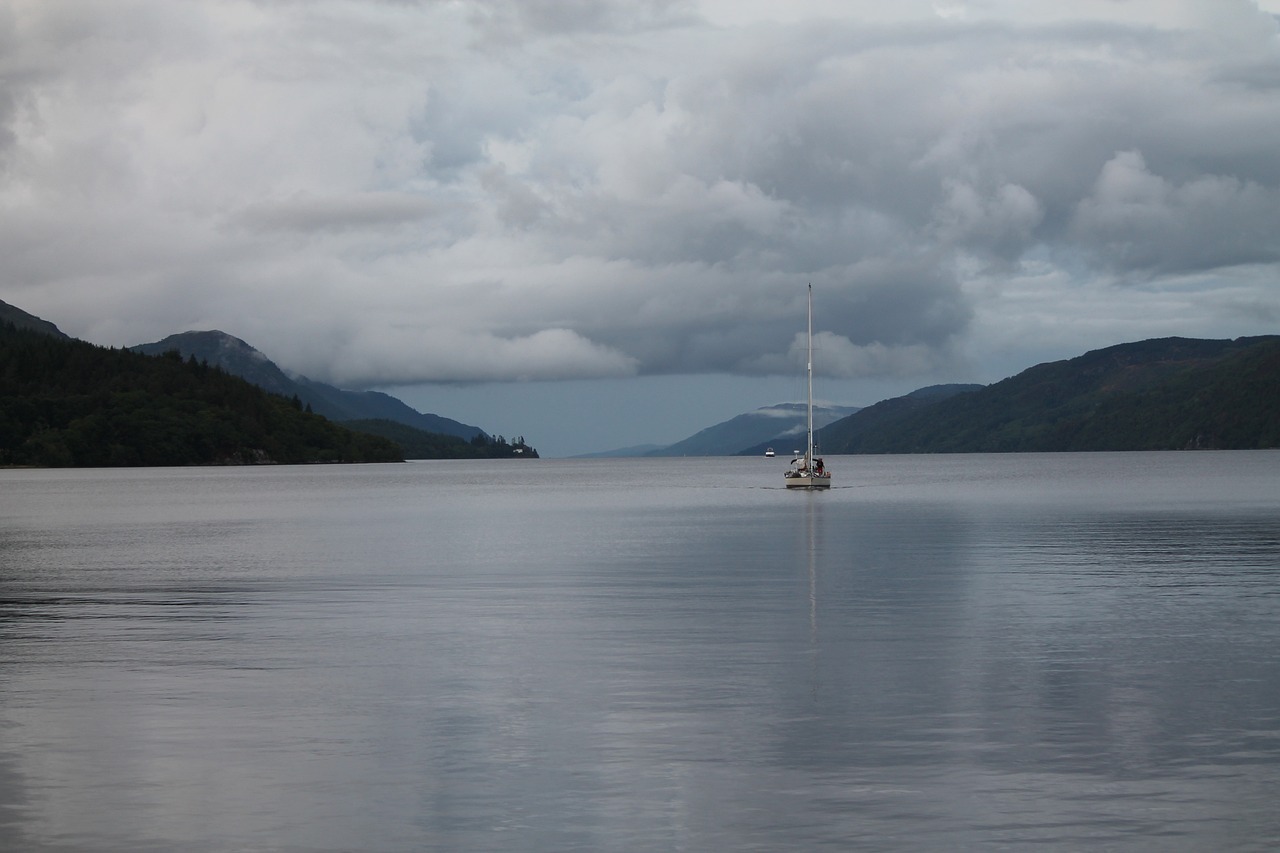
The Loch Ness Monster, often affectionately referred to as Nessie, is a creature of folklore and myth, said to inhabit Loch Ness in the Scottish Highlands. The legend of the monster dates back to ancient times, with local stone carvings by the Pict depicting a mysterious beast with flippers. However, much of the alleged evidence supporting its existence has been discredited, and it is widely thought that the monster is a myth.
The first written account of the Loch Ness Monster appears in a7th-century biography of St. Columba. According to that work, in 565 AD, the monster bit a swimmer and was prepared to attack another man when Columba intervened, ordering the beast to “go back It obeyed, and over the centuries, only occasional sightings were reported.
In 1933, the Loch Ness Monster’s legend began to grow. At the time, a road adjacent to Loch Ness was finished, offering an unobstructed view of the lake. In December 133, the Daily Mail commissioned Marmaduke Wetherell, a big-game hunter, to locate the sea serpent. Along the lake’s shores, he found large footprints that he believed belonged to “a very powerful softfooted animal about 20 feet [6 meters] long.” However, upon closer inspection, zoologists at the Natural History Museum determined that the tracks were identical and made with an umbrella stand or ashtray that had a hippopotamus leg as a base; Wetherell’s role in the hoax was unclear.
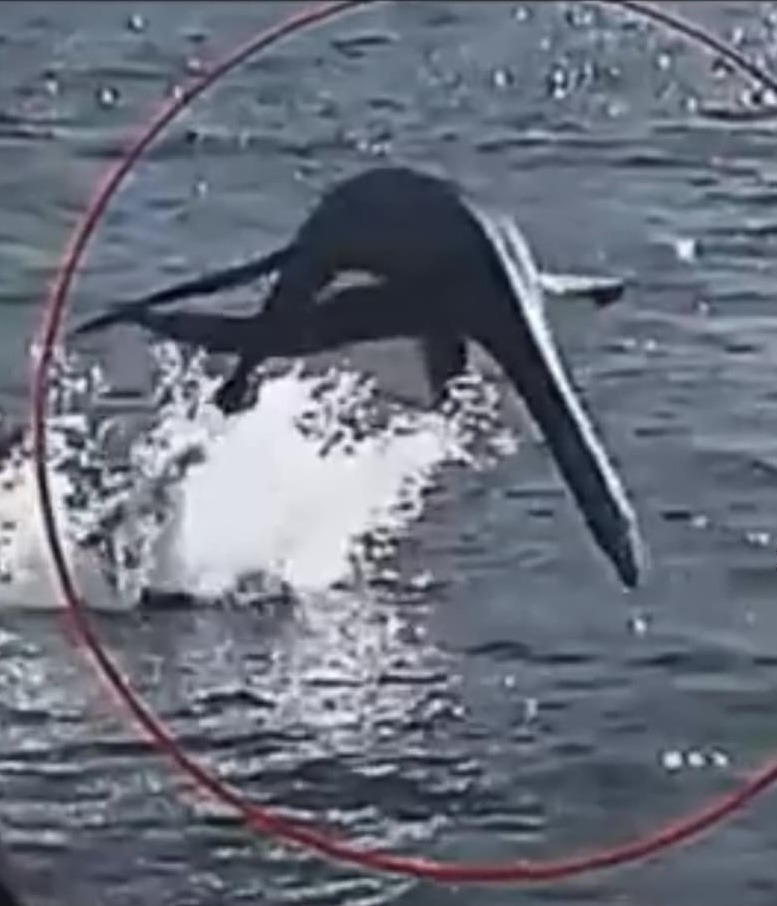
In 1934, English physician Robert Kenneth Wilson photographed the alleged creature. The iconic—known as the “surgeon’s photograph”—appeared to show the monster’s small head and neck. Many speculated that the creature was a plesiosaur, a marine reptile that went extinct some 65.5 years ago. Over the years, several sonar explorations (notably in 1987 and 2003) were undertaken to locate the creature, but none were successful.
Notably, in 1994, it was revealed that Wilson’s photograph was a hoax spearheaded by a revenge-seeking Wetherell; the “monster” was actually a plastic-andwooden head attached to a toy submarine. In 2018, researchers conducted a DNA survey of Loch Ness to determine what organisms live in the waters.
Despite the lack of concrete evidence and the debunking of many claims, the Loch Ness Monster remains a popular figure in folklore and popular culture. The legend of Nessie continues to draw tourists to Loch Ness, contributing significantly to the local economy.
About the Author