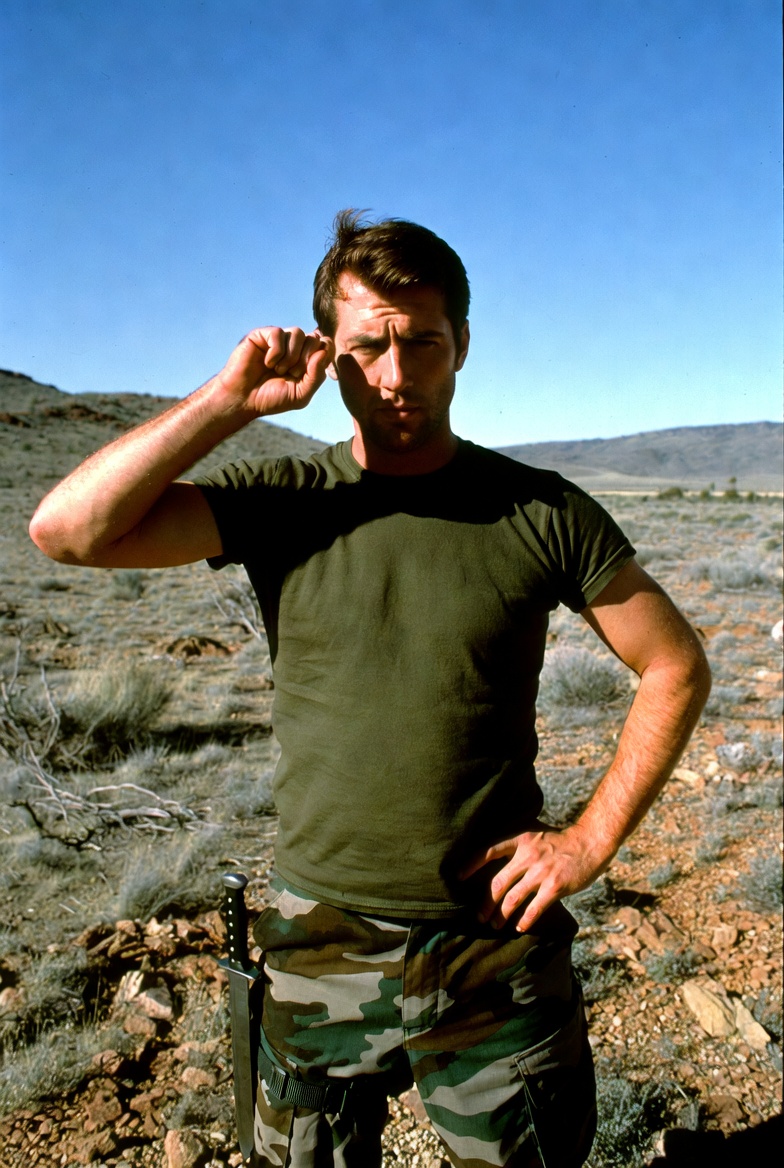
The real-life “Wolf Creek killer” refers to elements drawn from two Australian criminals whose crimes inspired the horror film Wolf Creek and its sequels: primarily Ivan Milat (known as the Backpacker Murderer) and, to a lesser extent, Bradley John Murdoch.
Ivan Milat (the Backpacker Murders)Ivan Robert Marko Milat was an Australian serial killer active in the late 1980s and early 1990s. He targeted young backpackers and hitchhikers, many of them foreign tourists, who were traveling along highways in New South Wales. He would offer them rides, then take them to remote forested areas—most notably Belanglo State Forest—where he robbed, assaulted, and murdered them. He was convicted in 1996 of seven murders: five young women (including three Germans and two Britons) and two Australian men, all in their late teens or early twenties. The victims had been shot, stabbed, or strangled, with some showing signs of prolonged torture, sexual assault, and attempts to paralyze them by severing their spinal cords. Their bodies were partially buried or hidden in the bushland. Milat came from a large family and worked as a road worker and labourer. He had a history of violence and theft before the murders. Police linked him to the crimes through evidence like victim belongings found at his home, ballistic matches from guns he owned, and witness descriptions. He maintained his innocence until his death in prison from cancer in 2019, never confessing. Some investigators and documentaries have suggested he may have been responsible for additional unsolved disappearances of travellers across Australia, though these remain unproven. The film’s isolated outback setting and the killer’s method of luring trusting victims with a friendly demeanour draw heavily from Milat’s case, though the movie relocates the action to a more remote desert area for dramatic effect and amplifies the horror elements.
Bradley John Murdoch. The other real figure who contributed to the composite inspiration for the Wolf Creek antagonist was Bradley John Murdoch, a truck driver and criminal from the Australian outback. In 2001, he was convicted of murdering British backpacker Peter Falconio on a remote stretch of the Stuart Highway in the Northern Territory. Falconio and his girlfriend Joanne Lees were flagged down by Murdoch while driving at night; he shot Falconio, attacked and restrained Lees (who later escaped and hid), and disposed of the body, which was never recovered. Murdoch had a prior criminal record, including a manslaughter conviction from a road incident and acquittal on separate charges of abducting and assaulting a mother and child. He was known for a tough, itinerant lifestyle involving long-haul driving. Lees’ testimony and forensic evidence (including DNA and vehicle descriptions) led to his conviction in 2005; he received a life sentence and died in custody in 2025.The film’s depiction of a seemingly helpful local who turns violently predatory on isolated roads echoes aspects of Murdoch’s crime, particularly the roadside ambush and the victim’s narrow escape. The Wolf Creek character Mick Taylor is not a direct portrayal of either man but a fictional blend: the director has described him as combining elements from both cases with broader Australian cultural archetypes (like the rugged, chatty bushman) to create a more mythic, terrifying figure. The movie’s opening title card notes it is “based on actual events,” but it is a loose, heightened composite rather than a true retelling of any single case. These crimes shocked Australia due to their targeting of vulnerable young travellers in the vast, isolated outback, where help can be far away. Both men were eventually caught through persistent police work, survivor accounts (in Murdoch’s case), and physical evidence. Milat’s case in particular remains one of the country’s most infamous serial killings.
About the Author